Tailor-Made: The Joy of Bespoke Relationships
I've never been good at squeezing myself into things that don't fit.
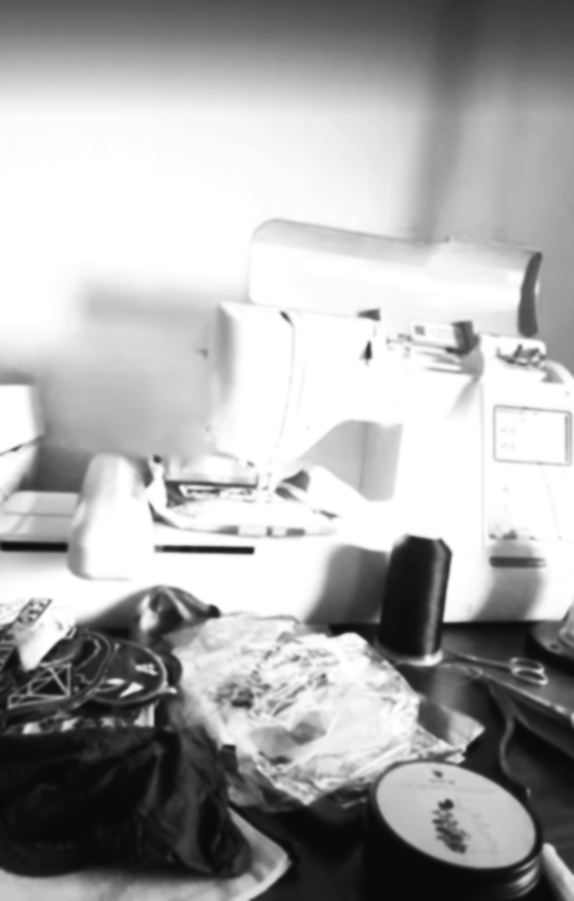
As a teenager, I was gifted a dress that was far too snug around my widening hips. It was beautiful and expensive, but I couldn't willingly force myself into it and pretend I was comfortable. So I took it apart.
My parents were horrified to find the dress in pieces, but after I finished my inexpert alterations, it finally fit me just right. Looking back, I think I've approached most of my life this way.
I left research science because I craved a life where creating things mattered as much as understanding them. I've spent most of my twenties chasing highways, mountains, little towns I'd never heard of, and the peculiar thrill of waking up somewhere entirely new.
I've stitched together a life that, for better or worse, looks different from the one that was expected of me. You might say it's tailor-made.
It’s probably no surprise, then, that I'm not very interested in the default settings for human relationships either.
The expectations we inherit about relationship roles are both remarkably ambitious and unhelpfully rigid.
For example: your spouse, we're told, should be your...
best friend
lover
roommate
therapist
biggest cheerleader
intellectual equal
favorite travel companion
trusted financial expert
emergency contact
flawless co-parent
carefree retirement buddy
...and, most importantly, the person who never forgets to buy more toilet paper.
On the other hand, there isn't really a cultural script for buying a house with your best friend, traveling the world with a platonic companion, or spending decades as someone’s most trusted confidante without romance ever entering the picture.
Yet our culture seems to reinforce the idea that a given person in a specific relational role should play only their assigned parts, instead of letting relationships be meaningful in their own unique ways.
Looking back, I think that misunderstanding shaped my first real romantic relationship.
When I was in college, I fell in love. We cared for each other deeply, yet we struggled with confusion and tension from trying to answer questions that, in hindsight, weren't really our own.
Would we make perfect roommates, perfect spouses, perfect parents? Should we categorically want all of those things in order for our relationship to be legitimate? Did any deviation mean we weren't really in love?
Looking back, I don't think we were asking whether we made each other happy, or if we were aligned in our goals and values. We were asking whether we were a "real" couple, while measuring ourselves against an imaginary blueprint. When the relationship ended and I began to unravel those expectations, it felt like taking off a gorgeous dress that never quite fit.
Eventually, I stumbled across an idea from the relationship anarchy community that gave language to something I'd already been slowly discovering for myself.
It's called the Relationship Smorgasbord.
Don't let the name (or the word anarchy) intimidate you. If socially defined relationships are off-the-rack sizing, this is bespoke tailoring.
Instead of assuming every romantic relationship should automatically include romance, sex, exclusivity, emotional support, domestic partnership, shared hobbies, travel, intellectual companionship, lifelong commitment, and everything else we've bundled into the word partner, the Relationship Smorgasbord lays each piece out individually and asks a much more interesting question:
Which pieces belong in this particular relationship?
That question is just as useful between spouses as it is between friends, siblings, coworkers, neighbors, and even between companions and clients. It’s useful between any two people who are deciding what kind of connection they'd like to build together.
Sometimes a human relationship is built around amazing conversation, or shared goals, or making each other laugh until neither of you can breathe. Other times, it’s built around adventure, or raising children, or building a business together. Hell, maybe it’s built around great sex.
This framework informs nearly all my relationships, including the ones that show up in my life through professional companionship.
When I meet someone new through my companionship practice, I don't find myself trying to act out an imaginary idea of what the escort-client relationship is supposed to look like. I'm much more interested in discovering what feels genuine for the two of us.
Maybe our connection is simple, carnal, and physical, and that's exactly what satisfies both of us. Or maybe we'd rather spend an hour talking before we even think about taking our clothes off. Maybe the affection we share flows so naturally that a lasting fondness develops. We might share a sense of humor, certain desires or interests, or even some of our worldview or our hopes for the future. Maybe we let ourselves get a little too competitive over Mario Kart.
Every connection is different, and that's one of my favorite things about people.
Giving myself permission to honor every connection as unique has brought so much joy and ease into my life. This is my practice of letting things be as they should. Assumptions set aside, I can approach every person in my life with care and curiosity.
Just like a well-loved garment that's been altered until it fits perfectly, our human connections can be designed to suit us as individuals. We don't have to squeeze ourselves into arrangements that don't fit. We can make them our own, and for me, that's where the fun begins.